
Image
Mobile Image
Breadcrumb

Home

Cancer

Heading

Find information and support for every step in your journey.

Body
For those with cancer and their loved ones, a diagnosis means taking a new, unexpected path that can change everything. Here’s where to find helpful information to guide what comes next.
image
image mobile
content

Biomarker testing

Clues in your cancer cells
could be a key to
personalized care.

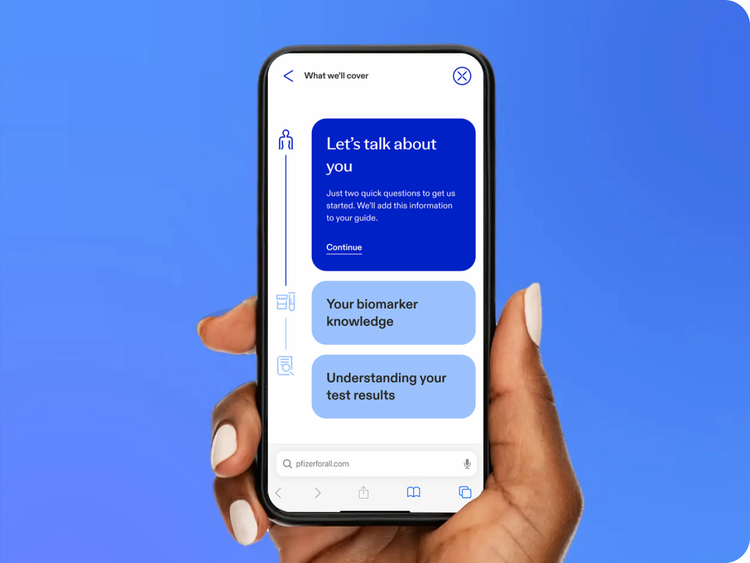
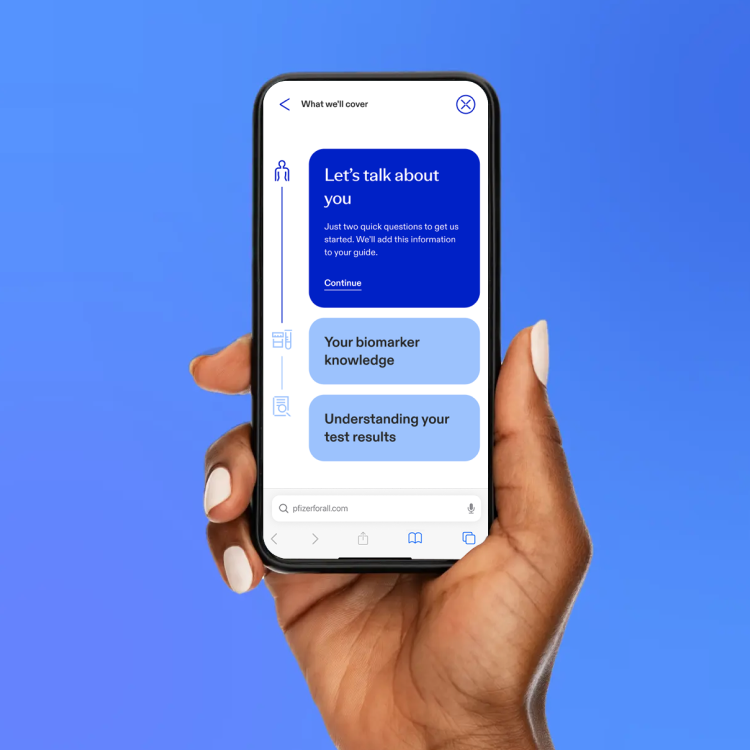
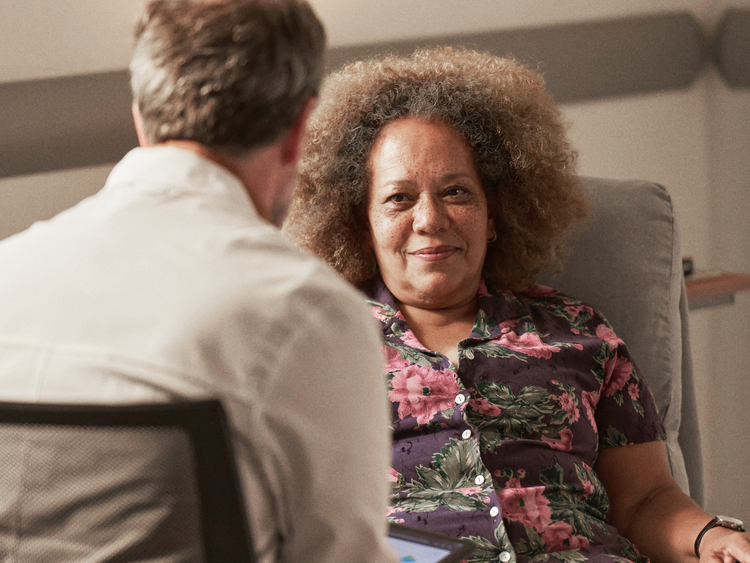
Biomarker testing helps your care team understand if you have a specific subtype of cancer, giving them important insights to help design a treatment plan that’s tailored to you.
buttons
Discover biomarker testing
image
Image mobile
content

Cancer screening

In the fight against cancer,
early detection is key.

Every screening. Every result. Every early detection matters. Let’s help you schedule a screening.


buttons
Learn about cancer screening
image
Image mobile
Image_relief
Image_relief (mobile)
content

Looking for what’s next in cancer care? So are we.

See if a clinical trial may be right the next step for you.

buttons
Explore clinical trials
image
image mobile
content

This is Living with Cancer

Get the support
you need.

Get health and wellness insights, understand financial support, and hear from those living with cancer — and the people who love them.

buttons
Explore your options
content

Frequently asked questions

card

What is biomarker testing and why is it important?

Biomarkers are signals in cancer cells that can show how your cancer behaves and how it may respond to treatment. Testing for biomarkers can give your care team important insights and help them design a personalized treatment plan. You can get tested for biomarkers at diagnosis, during a biopsy, or at multiple points in your cancer journey.

Explore biomarker testing

card

How can I stay healthy while going through treatment?

Diet, exercise, and mental health are all key aspects of taking care of yourself while living with cancer. We can help. Get videos, breathing exercises, and ideas on how to reset and recharge. There’s even a few tips for managing chemo brain (yes, it’s a real thing).

Get started

card

Are there communities and advocacy groups I can join?

There are many patient advocacy groups in the cancer community. You can find resources, explore ways to connect with other patients and caregivers, and discover support for your journey.

Get connected

card

I’m caring for someone living with cancer. What resources are available?

As a caregiver, you’re in a unique position. On one hand, you’re an advocate, supporting your loved one throughout their journey. On the other, you need to make sure you’re taking care of yourself. We have many resources available to help you do both.

Get support

card

Do race and ethnicity affect my outlook for cancer?

Cancer affects some racial and ethnic groups at different rates for a variety of reasons. For example:

  • Black people are 20% more likely to develop colorectal cancer than White people
  • Asians and Pacific Islanders with lung cancer are 17% less likely to be diagnosed early compared to White people
  • Hispanic women face higher risks of early onset and aggressive breast cancer

Pfizer is dedicated to improving health equity for patients by partnering with more than 40 US organizations, from community groups to healthcare providers and advocacy groups.

card

When should I seek a second opinion?

Getting a second opinion is a common process that can give you peace of mind. You may want or need a second opinion because:

  • You have a rare type of cancer and want to be sure of your diagnosis
  • Your doctor gives you limited treatment options, and you think other treatments might be available at a different medical center
  • Your doctor is not a specialist in your type of cancer
  • Your doctor tells you there is uncertainty about your type or stage of cancer
  • You’re having trouble understanding and communicating with your doctor, or you want your options explained by someone else
  • You feel uncomfortable with your doctor and their ability to answer your questions or give you the time you need
  • Your insurance company asks you to get another opinion before you start treatment
  • You want to feel confident in your treatment plan