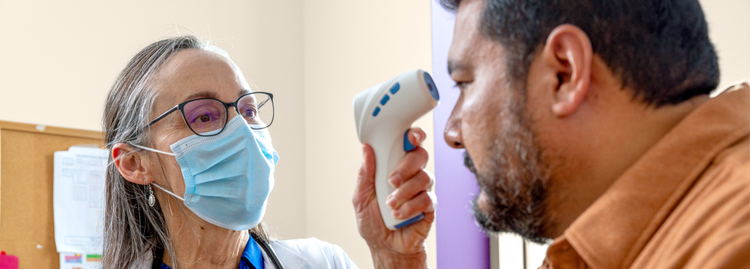
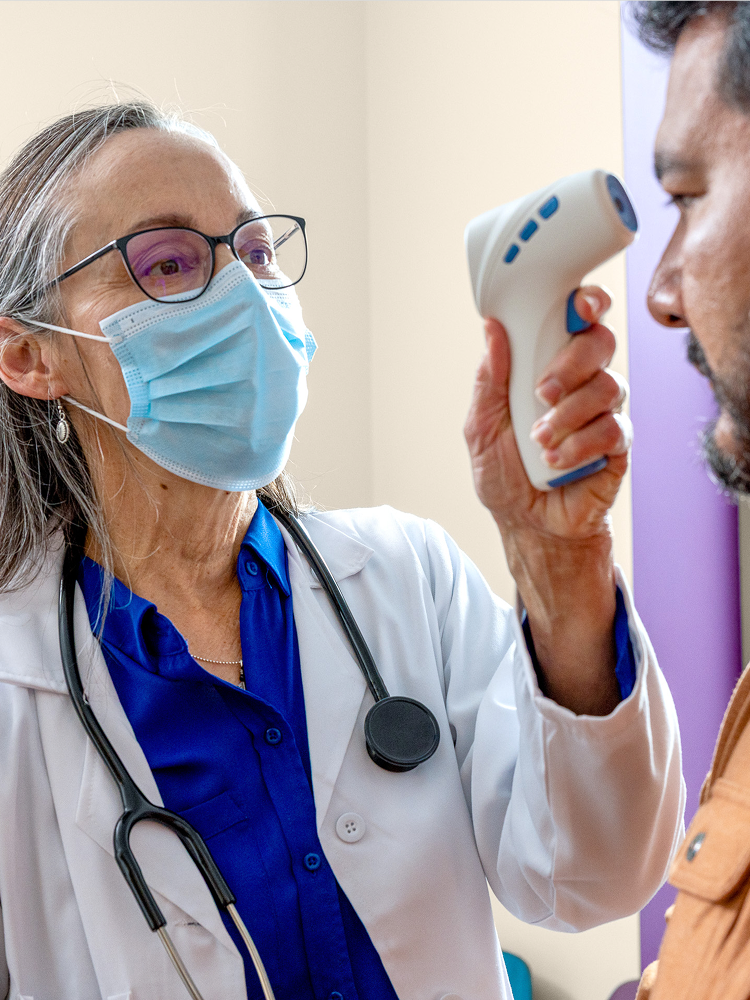
When COVID-19 symptoms start, the clock is ticking.
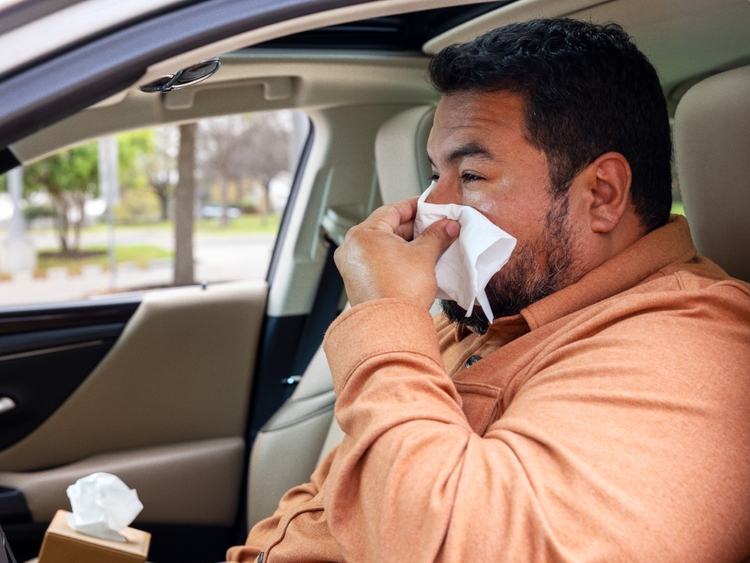
What happens when COVID-19 turns severe?
Hospitalization, intensive care, ventilator use. Even if your symptoms are mild now, they can get worse quickly. Severe COVID-19 can also increase the chance of developing additional health complications.
You may be more likely to progress to severe COVID-19 if you have any of the following risk factors:
- Being age 50 or older
- Certain health conditions
- Overweight/Obesity
- Certain mental health conditions
- Certain disabilities
Risk for severe COVID-19 can vary across communities. For example, Black Americans may be more likely to be hospitalized from COVID-19, which makes early conversations with a healthcare provider especially important, particularly if you have existing health conditions and may be at higher risk.
The 5-day window
COVID-19 treatment is most effective when started early. Symptoms can appear mild at first, but acting within 5 days of onset can help prevent severe illness, especially for those at higher risk.
theme-core-lighter
Day 1
Early symptoms begin
- Mild fatigue and body aches
- Scratchy throat or slight sore throat
- Low-grade fever may appear
theme-core-light
Day 2
Symptoms continue to develop
- Increased tiredness and muscle aches
- Nasal congestion or runny nose
- Headache or mild chills
theme-core-seed
Day 3
Symptoms are more noticeable
- Persistent fever or feeling feverish
- Dry cough or mild shortness of breath
- Loss of taste or smell may begin
theme-core-dark
Day 4
Symptoms continue or worsen
- Worsening cough and throat irritation
- Fatigue is more noticeable
- Gastrointestinal symptoms (nausea, diarrhea) may occur
theme-core-darker
Day 5
Last day to start treatment
- Starting treatment early may help reduce the risk of serious illness
- COVID-19 can still become severe, especially for high-risk people
Learn more about severe COVID-19.
- /covid-19/education/post-covid-19-and-long-covid-fatigue
- /covid-19/education/lingering-cough-after-covid-19
- /covid-19/education/chest-pain-and-tightness-after-covid-19
- /covid-19/education/heart-and-vascular-health-after-covid-19
- /covid-19/education/impact-of-covid-19-on-brain-and-cognitive-health
The common cold, flu, and COVID-19 all have similar symptoms.
Testing and treatments
Need a COVID-19 test?
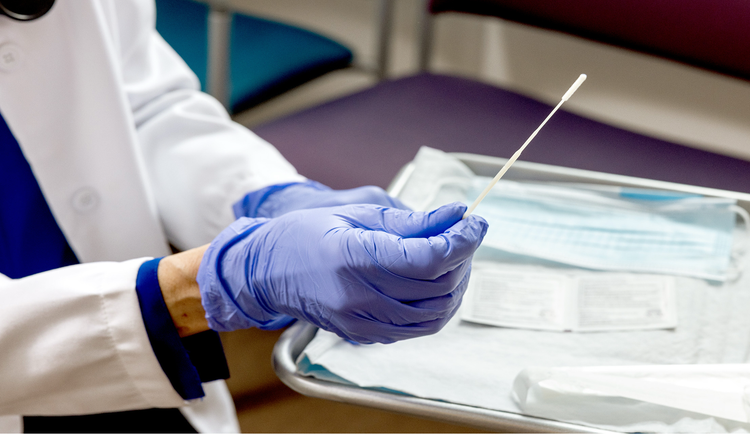
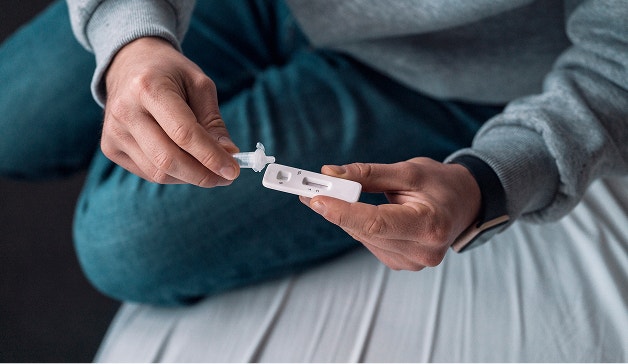
Order online and have a
test delivered as early as today.
Why early treatment matters.
Prescription medications are available for people with mild-to-moderate COVID-19 who are at higher risk of severe illness. They must be taken within 5 days of your first symptoms, so contact your doctor as soon as possible to see if treatment may be right for you.
Talk to your doctor
The best next step starts with a conversation.
Schedule an appointment
At the first sign of COVID-19 symptoms, contact your doctor. If you don't have a doctor, you can schedule a telehealth appointment.
Prepare for your visit
Write down your symptoms, health conditions, and all medications you're taking in the doctor discussion guide. Don't forget even small details can be important.
Ask about treatment and eligibility
If you have COVID-19, ask your doctor if prescription medications may be right for you. The sooner you know, the sooner you can take action.