content

Start with the basics.

Learn what meningitis is, how it spreads, and why it matters for teens.

card

What is meningococcal meningitis?

It’s a life-threatening infection caused by bacteria.

It’s a form of meningococcal disease, often called meningitis, caused by bacteria that can live in the nose and throat. Meningitis is uncommon but can progress from flu-like symptoms to life-threatening in as little as 24 hours.

The 5 leading types of meningococcal bacteria—A, B, C, W, and Y—cause nearly all cases.

card

Signs and symptoms

Symptoms can feel like the flu at first.

Symptoms can come on quickly and may get worse over time. Early symptoms may feel like the flu and can include:

• Fever and chills
• Nausea and vomiting
• Generalized muscle aches
• Stiff neck or headache
• Sensitivity to light
• Confusion

Additional long-term consequences can include loss of limbs, hearing loss, and brain damage (including learning disabilities). It’s important to pay attention and seek care if something feels off.

card

How it spreads

It can spread through close contact.

Meningococcal bacteria can spread through close or prolonged contact with someone else’s saliva, like:

  • Coughing
  • Kissing
  • Sharing food, drinks, or utensils
  • Sharing items that touch the mouth, like lipstick or lip balm
  • Crowded social gatherings
  • Living in dorms or shared housing
content

Here’s what to know about meningococcal meningitis vaccines.

card

What are they?

Meningitis vaccines help protect against different types of meningococcal bacteria.

Some protect against 4 types (A, C, W, and Y), while others protect against one type (B). There are also options that help protect against all 5 types.

You don’t need to have it all figured out. A quick assessment can help you understand whether your teen may still need protection against all 5 leading types and help you prepare for a conversation with their doctor.

card

Who are they for?

Pre-teens, teens, and young adults.

Most kids get their first meningitis vaccine at age 11 or 12. Starting at age 16, additional doses may be recommended to help make sure they’re vaccinated against all 5 leading types. Talk to their doctor to make sure they’re fully vaccinated.

card

Possible side effects?

Soreness

Fever

Headache

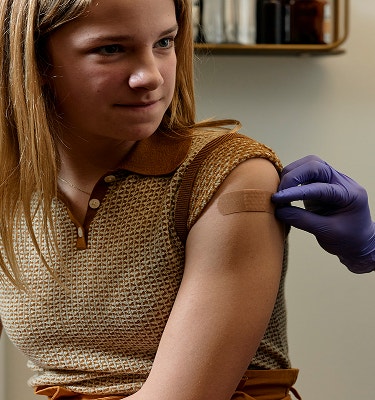
Meningococcal vaccines can cause mild side effects. These may include soreness or redness where the shot was given, tiredness, headache, or muscle pain. These side effects usually go away on their own within a few days.
media
relief-media
Media-mobile
relief-media-mobile
content

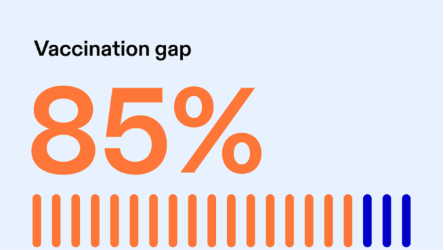
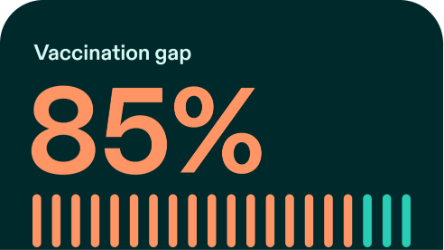
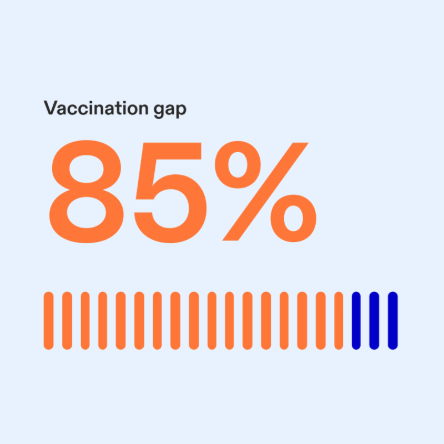
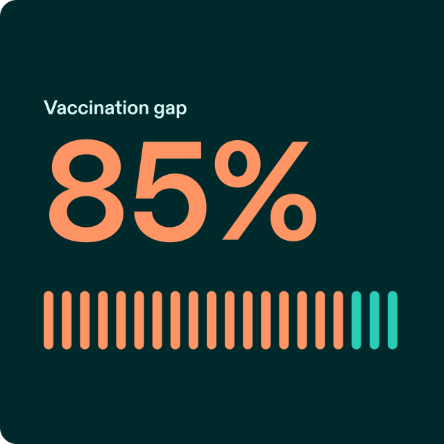
Nearly 85% of teens in the US are not fully vaccinated against all 5 leading types of meningococcal meningitis.

Source: MMWR Morb Mortal Wkly Rep

Understand your teen’s risk

eyebrow
Test your knowledge
question
Early symptoms of meningococcal meningitis can feel like the flu.
correct_answer
True
correct_icon
correct_heading
That's correct!
correct_body
Early symptoms can feel like the flu, which can make meningitis harder to recognize at first. Understanding your teen’s risk factors can help you decide whether to talk with their doctor about vaccination.
cta_correct
Check your teen’s risk
incorrect_answer
False
incorrect_icon
incorrect_heading
It's actually true!
incorrect_body
Actually, early symptoms can feel like the flu. Knowing your teen’s risk factors can help you decide whether it’s a good time to talk with their doctor about vaccination.
cta_incorrect
Check your teen’s risk
source
Source: CDC
content

Still have questions?

Card

How can I check which meningococcal vaccines my teen has already received?

You can check your teen’s vaccination records through their doctor’s office, patient portal, or your state’s immunization registry (where available).
A doctor can help review what they’ve received and whether they may still need additional protection.

Even if they were vaccinated around age 11 or 12, they may need additional doses starting at age 16.

You can also use the risk assessment tool to help guide a conversation with their doctor about their protection.

Check your teen’s risk

card

How do I know which meningoccal vaccines my teen may need?

You don’t need to have it all figured out. Your teen’s doctor may mention different meningococcal vaccines.

Your teen’s doctor may mention different meningococcal vaccines and terms like these:

  • Monovalent: Protects against 1 of the 5 leading types (B)
  • Quadrivalent: Protects against 4 of the 5 leading types (A, C, W, and Y)
  • Pentavalent: Protects against all 5 leading types (A, B, C, W, and Y)

A quick assessment can help you understand whether your teen may still need protection against all 5 leading types and help you prepare for next steps with their doctor.

Check your teen’s risk

card

Can my teen get meningoccal vaccines at the same time as other vaccines?

Meningococcal vaccines may be given at the same time as other routine vaccines. Your teen’s doctor can help determine what’s appropriate for your teen and recommend a schedule that works best.

card

What should I know about meningococcal vaccine safety and side effects?

Meningococcal vaccines are approved for use and are monitored for safety. They can cause mild side effects such as soreness at the injection site, headache, fatigue, or muscle pain. Your teen’s doctor can help you understand what to expect and answer any questions.