

Biomarker testing can lead to precise blood cancer care.
While blood cancers like multiple myeloma (MM), lymphoma, and leukemia each respond to unique forms of treatment, biomarker testing can reveal what makes each subtype unique. It can help doctors move from one-size-fits-all care to more personalized treatment plans. Even if tests show no biomarkers, it's still important and helps your care team better evaluate treatment options.
Have questions? We can help you create a personalized guide for your next appointment.
Did you know?
Your treatment plan can be based on your biomarkers.
Your plan could include targeted therapy — treatment designed to act on specific features of cancer cells, such as proteins or gene changes identified through biomarker testing, although it can also affect some normal cells.
About biomarker testing
What are blood cancer biomarkers?
Cancer biomarkers are small signals in tumor cells, like gene changes or certain levels of proteins, that can show how your cancer behaves and how it may change, grow, or respond to treatment. Even two people with the same type of blood cancer can have very different biomarkers.
By testing for them, your care team can create an individualized treatment plan — and adjust it if the disease changes over time. Common blood cancer biomarkers doctors look for are CD20 and CD30 (lymphoma), M-Proteins (myeloma), and FLT3 (leukemia).
Here’s how they’re tested.

Liquid Biopsies
Your care team can learn a lot about your blood cancer by taking a sample of your blood to spot cell count, gene, and protein markers.
For example, a complete blood count (CBC) measures the number and shape of your blood cells, platelets, hemoglobin, and hematocrit to show how changes — especially in white blood cells — may be signs of progressing or new cancer.
Since liquid biopsies are less invasive, they’re faster to complete and easier to repeat than tissue biopsies — but they have their limits. The results may not always match tissue tests and may miss some cancer changes.
Tissue Biopsies
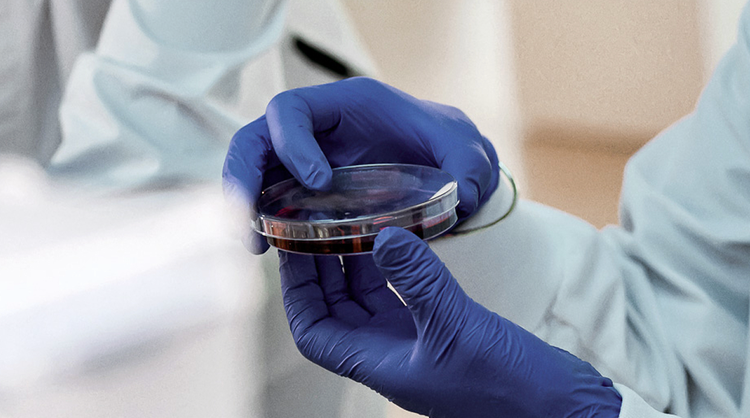
A tissue biopsy can reveal your blood cancer’s stage, subtype, and cellular changes from a sample of your bone marrow’s tumor.
To do this, your doctor will surgically collect small pieces of marrow from inside your bone, and share them with a pathologist who will examine the marrow cells in a lab.
They’ll measure how much your cancer has progressed, if the tumor in your bone marrow is growing, and share any cell abnormalities, or non-inherited gene and protein changes. This process can help point to targeted therapies, and assess if immunotherapy may work for you.
Tissue biopsies are usually an outpatient procedure and do not require an overnight stay, however there are more invasive tissue that may require a hospital visit.
Biomarker changes can occur over time and can reveal the way your tumor is growing or changing, or if it’s developing a resistance to treatment.
New biomarkers can indicate alternative treatment options that may work more effectively. That’s why it’s important to talk to your doctor about retesting before starting a new treatment plan.
Biomarker changes can occur over time and can reveal the way your tumor is growing or changing, or if it’s developing a resistance to treatment.
New biomarkers can indicate alternative treatment options that may work more effectively. That’s why it’s important to talk to your doctor about retesting before starting a new treatment plan.


Talk to your doctor
Do you have an appointment soon?
Get a full list of questions to ask about biomarkers, testing, and how it could impact your treatment plan.
Biomarker testing resources and guidance
Discover information to help you understand biomarkers, testing, and talking to your doctor.
- /cancer/education/cancer-biomarkers
- /cancer/education/importance-of-biomarker-testing
- /cancer/education/how-biomarker-testing-works
- /cancer/education/when-to-get-biomarker-testing
- /cancer/education/talk-to-your-doctor-about-biomarker-testing
- /cancer/education/monitor-cancer-with-biomarker-testing