Key takeaways
Whether you’ve been diagnosed with ATTR-CM (transthyretin cardiac amyloidosis) or are caring for someone who has, the journey can feel overwhelming. ATTR-CM is a rare and progressive condition that affects the heart, and navigating its emotional, physical, and logistical challenges often requires more than just medical care.
Support groups, advocacy organizations, and caregiver resources can offer connection, clarity, and comfort — helping both patients and caregivers feel less alone and more equipped to manage what’s ahead.
Resources for people with ATTR-CM
Support groups and educational tools offer more than just information — they provide connection. Talking to others who share your experience can help you feel seen, heard, and supported. It can also improve treatment adherence and emotional resilience.
Here are some key resources:




Find a specialist who knows ATTR-CM
- Your Heart’s Message – Learn about the signs and symptoms of ATTR-CM, hear from diagnosed patients, and access a guide with an overview of ATTR-CM and tips for discussing symptoms and treatment with your healthcare provider.
- MyHealthcareFinances Tool – A financial planning tool to help patients understand healthcare costs and explore ways to manage them, developed in collaboration between Pfizer and Triage Health.
- My Amyloidosis Pathfinder – A free, easy-to-use tool that’s designed to help you find available amyloidosis clinical trials.
These tools are designed to help you better understand ATTR-CM, prepare for medical conversations, and find care that fits your needs.
ATTR-CM patient advocacy groups and support networks
Advocacy organizations play a vital role in supporting people with rare diseases. They offer education, community-building, and policy advocacy. Here are some key groups that support ATTR-CM patients and caregivers:
- Amyloidosis Support Groups – Offers peer-led meetings, both virtual and in-person, where patients and families can share experiences and learn from one another.
- Amyloidosis Research Consortium (ARC) – Focuses on accelerating research and improving care standards for amyloidosis patients and provides patient education and clinical trial information.
- Amyloidosis Foundation – Offers educational materials, organizes support groups and webinars, and runs awareness campaigns to promote early diagnosis and patient empowerment.
- Mackenzie’s Mission – Raises awareness for cardiac amyloidosis and supports patients through education (blogs, videos, and an amyloidosis podcast), an extensive array of resource links, and outreach.
- Mended Hearts – Provides support and education for people with heart conditions, including peer mentoring and hospital visitation programs.
- Heart Failure Society of America (HFSA) – Shares clinical updates and patient-friendly resources on heart failure and related conditions.
- WomenHeart – Focuses on heart health for women, offering support groups and educational events.
- National Organization for Rare Disorders (NORD) – A rare disease advocacy organization that maintains a comprehensive rare disease database, supports patient registries and assistance programs, advances federal and state policy and grassroots advocacy, convenes national events, and builds capacity for patient organizations.
- Global Genes – A hub for rare disease communities, offering toolkits, webinars, and advocacy training.
Each organization brings something unique — whether it’s emotional support, access to research, or help navigating the healthcare system. Explore their websites to find the right fit for your needs.
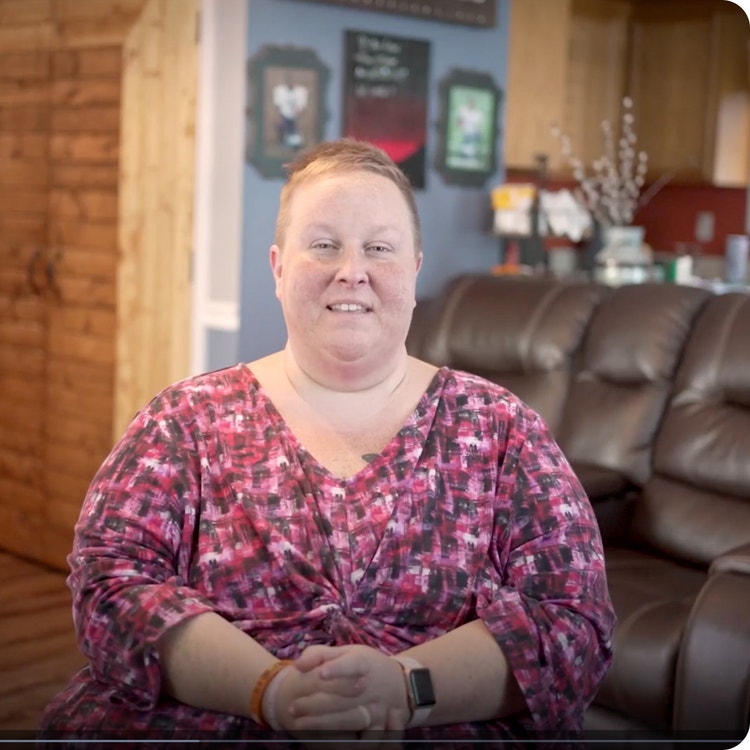
My advice would be to find a support system. My husband Brad is my caregiver, and I couldn’t do it by myself. I couldn’t walk this journey without him.”
Support for caregivers
Caring for someone with ATTR-CM often means navigating complex medical decisions, offering emotional support, and managing medications and day-to-day logistics — all while trying to maintain and balance your own health and responsibilities.
Here are ways caregivers can stay supportive and effective:
- Stay involved in care: Attend medical appointments, ask questions, and help track symptoms and treatment plans.
- Keep organized: Maintain a health journal with medications, test results, and notes from doctors. This helps ensure continuity of care.
- Communicate with providers: Share updates and concerns with the healthcare team. You’re a vital part of the care circle.
- Prioritize your own health: Caregiver burnout is real. Make time for rest, exercise, and social connection.
- Seek support: The National Institute on Aging offers tips for managing stress and staying healthy. NORD provides community and resources tailored to those supporting people with rare diseases.
Remember, asking for help isn’t a weakness — it’s a strategy for sustaining your ability to care.
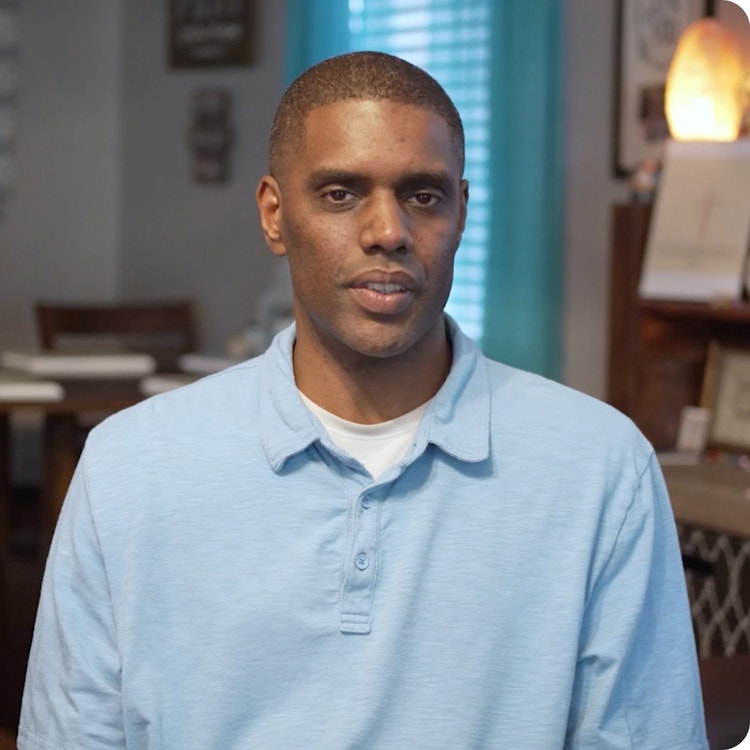
It can be a challenge helping to support Faye through her ATTR-CM journey while also raising our two sons. But I’m always going to be someone for her to lean on, and I don’t want her to ever feel scared. That was part of my vows when we got married, and I will make sure that I live out my vows for her and our boys.”
Finding strength through connection
If you’re looking for a place to start, the free online ATTR-CM Assessment can help identify whether your symptoms may be related to ATTR-CM. You can also use the Doctor Finder to connect with specialists who understand this condition and can help guide your next steps.
Living with ATTR-CM — or supporting someone who is — can feel daunting. But connection can change everything. Support groups and advocacy organizations offer more than just information — they offer hope, community, and practical help.
Whether you’re seeking emotional support, medical guidance, or simply someone who understands, these resources can help you feel more confident and less alone. Explore the tools available through Together for Rare and consider joining a support group or advocacy network. Help is out there, and it can make all the difference.
Stay informed about ATTR-CM.
PfaAttrSignup_uat_b_version
form_builder__production__2130__wd
You’re in.
We’ve sent an email to {email} to get you started.
Frequently
asked questions
Why are support groups important?
They offer emotional connection, shared experiences, and practical advice that can help patients feel less isolated and more empowered.
Are there in-person support groups available?
Yes. Many organizations, including Amyloidosis Support Groups, Amyloidosis Foundation, Amyloidosis Research Consortium, Mended Hearts, and WomenHeart, among others, offer both virtual and in-person options.
What support groups are available for caregivers?
NORD and the Amyloidosis Foundation, among others, offer caregiver-specific resources. You can also find support through hospital networks or local health organizations.
More relevant articles
Keep reading
- /attr-cm/education/talking-to-your-doctor-about-attr-cm
- /attr-cm/education/early-signs-of-attr-cm
- /attr-cm/education/how-attr-cm-is-diagnosed
Reference
Enrique M, Conn VS. Peers as Facilitators of Medication Adherence Interventions: A Review. J Prim Care
Community Health. 2016;7:44-55.